
The Complete Guide to EV Chargers in the Philippines (2026)
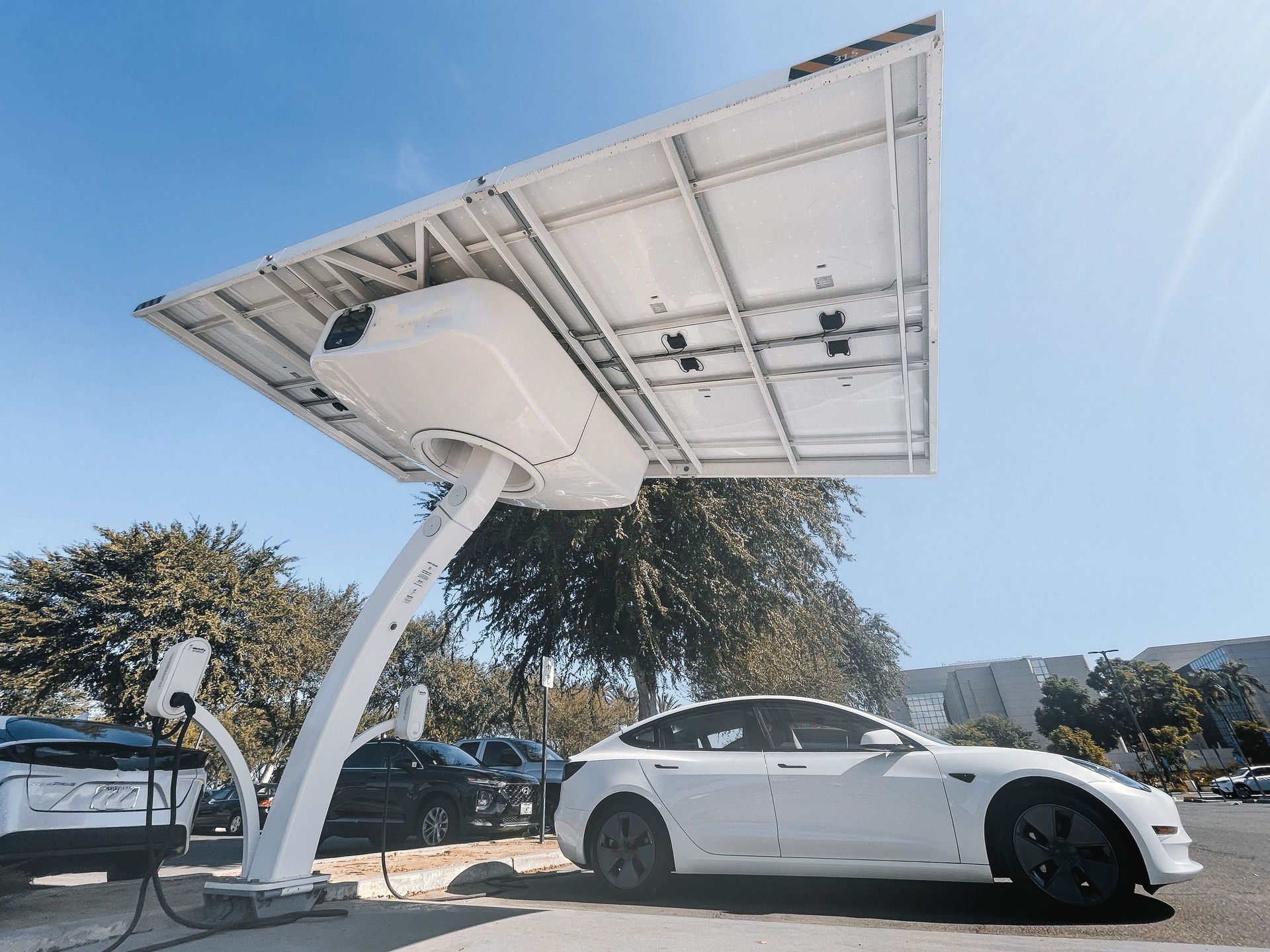
Electric vehicles (EVs) are no longer a glimpse into the future—they are becoming a common sight on Philippine roads. As more Filipinos switch to electric mobility, one question consistently arises: What EV charger do I need?
Whether you've recently purchased an EV, are planning to buy one, or simply want to understand how EV charging works, this guide will walk you through everything you need to know about EV chargers in the Philippines.
From charger types and charging speeds to installation requirements and costs, we'll help you make an informed decision about the right charging solution for your home or business.
What Is an EV Charger?
An EV charger is a device that supplies electricity to recharge an electric vehicle's battery. While many people refer to it as a "charger," the actual charging process is managed by the vehicle itself. The charging equipment primarily acts as a safe and intelligent connection between the electrical supply and your EV.
Think of an EV charger as the equivalent of a fuel pump for a gasoline vehicle. Instead of dispensing fuel, it safely delivers electricity to your vehicle's battery.
EV chargers are available in various power levels, connector types, and configurations to suit different charging needs.
How EV Charging Works
The EV charging process is surprisingly straightforward.
Electricity flows from your home's electrical system or the power grid through the charging equipment and into your vehicle's battery. Throughout the process, the charger and vehicle communicate to ensure charging occurs safely and efficiently.
Modern EVs include sophisticated Battery Management Systems (BMS) that monitor battery temperature, charging speed, and overall battery health.
When you plug in your vehicle:
- The charger verifies a safe connection.
- The vehicle requests power.
- The charger supplies electricity.
- The vehicle regulates charging based on battery conditions.
- Charging automatically slows or stops when the battery reaches its target charge level.
This intelligent communication helps maximize battery lifespan while ensuring safe operation.
Types of EV Chargers
Understanding charger types is one of the most important aspects of EV ownership.
Level 1 Charging
Level 1 charging uses a standard household electrical outlet.
This is typically the slowest charging method and is often provided with the vehicle as a portable charger.
Advantages:
- No special installation required
- Convenient for occasional charging
- Lowest initial cost
Disadvantages:
- Very slow charging speed
- Not ideal for daily driving needs
- Limited charging capacity
Typical charging speed:
- Approximately 5 to 10 kilometers of driving range per hour
While Level 1 charging can work for some owners, most EV drivers eventually upgrade to a dedicated home charging solution.
Level 2 Charging
Level 2 charging is the most popular option for residential EV owners.
These chargers require a dedicated electrical circuit and significantly increase charging speed compared to standard outlets.
Advantages:
- Faster charging
- Convenient overnight charging
- Ideal for daily EV use
- Better long-term ownership experience
Typical charging speed:
- Approximately 30 to 80 kilometers of driving range per hour
For most homeowners, Level 2 charging provides the perfect balance between charging speed, affordability, and convenience.
DC Fast Charging
DC Fast Chargers are commonly found at commercial charging stations, shopping centers, highways, and fleet facilities.
Unlike Level 1 and Level 2 chargers, DC chargers deliver direct current directly to the battery, bypassing the vehicle's onboard charger.
Advantages:
- Extremely fast charging
- Ideal for long-distance travel
- Reduces charging time dramatically
Disadvantages:
- Higher installation cost
- Not typically used in residential settings
Many modern EVs can charge from 20% to 80% in as little as 20 to 40 minutes using a DC Fast Charger.
EV Charging Connector Types
Before purchasing a charger, it is important to understand connector compatibility.
Type 1 (J1772)
Type 1 connectors are commonly found on some Japanese and older EV models.
Characteristics:
- Single-phase charging
- Widely used in earlier EV generations
- Common among imported vehicles
Type 2 (Mennekes)
Type 2 connectors have become the dominant standard for many modern EVs.
Characteristics:
- Supports faster charging
- Compatible with many modern EV brands
- Common throughout Europe and Asia
Many newer electric vehicles available in the Philippines use Type 2 connectors.
CCS2
CCS2 is the most common standard for DC fast charging.
Characteristics:
- Supports high-power charging
- Widely adopted by modern EV manufacturers
- Enables rapid charging at public charging stations
When choosing an EV charger, always verify compatibility with your specific vehicle model.
How Fast Can an EV Charge?
Charging speed depends on several factors.
These include:
- Charger power output
- Vehicle onboard charger capacity
- Battery size
- Battery temperature
- State of charge
As a general guideline:
1. Charger Type: Level 1
Typical Power Output: 1-2 kW
Charging Speed: Slow
2. Charger Type: Level 2
Typical Power Output: 7–22 kW
Charging Speed: Fast
3. Charger Type: DC Fast Charging
Typical Power Output: 50–350 kW
Charging Speed: Very Fast
It's important to remember that installing a higher-powered charger does not necessarily guarantee faster charging if your vehicle cannot accept the additional power.
How Much Does EV Charging Cost in the Philippines?
One of the biggest advantages of EV ownership is lower operating costs.
Let's look at an example.
Suppose your EV has a 60 kWh battery and electricity costs ₱12 per kWh.
Calculation:
60 kWh × ₱12 = ₱720
This means a full charge would cost approximately ₱720.
Depending on the vehicle's efficiency, that full charge may provide several hundred kilometers of driving range.
Compared to traditional fuel expenses, many EV owners find significant savings over time.
Why Install a Home EV Charger?
While public charging stations continue to expand, home charging remains the preferred option for most EV owners.
Convenience
Imagine waking up every morning with a fully charged vehicle.
Home charging eliminates trips to fueling stations and reduces dependence on public charging infrastructure.
Lower Costs
Charging at home is often more economical than relying exclusively on public charging stations.
Time Savings
Instead of waiting during the day, your EV charges while you sleep.
Improved Ownership Experience
Most experienced EV owners consider home charging one of the best investments they can make.
How to Choose the Right EV Charger
Not all EV chargers are created equal.
Here are several factors to consider.
Charging Speed
Common residential charger options include:
- 7 kW
- 11 kW
- 22 kW
Your ideal charger depends on your vehicle's charging capability and daily driving requirements.
Connector Compatibility
Always verify whether your EV requires:
- Type 1
- Type 2
- CCS2 support
Smart Features
Modern EV chargers may include:
- Mobile app control
- Charging schedules
- Energy monitoring
- Wi-Fi connectivity
- RFID access control
These features can improve convenience and energy management.
Weather Resistance
The Philippine climate presents unique challenges.
Look for chargers designed to withstand:
- Rain
- Humidity
- Heat
- Outdoor installation conditions
Safety Certifications
Always choose chargers that meet recognized electrical and safety standards.
EV Charger Installation Requirements
Professional installation is strongly recommended for Level 2 charging systems.
A proper installation typically includes:
Electrical Capacity Assessment
Your home's electrical system must be able to support the charger safely.
Dedicated Circuit
EV chargers should have a dedicated circuit and breaker.
Proper Grounding
Grounding is essential for safe operation and equipment protection.
Professional Installation
Qualified installers ensure compliance with electrical codes and manufacturer specifications.
A professionally installed charger provides peace of mind and long-term reliability.
Common EV Charging Mistakes to Avoid
Many first-time EV owners make avoidable mistakes.
Buying an Incompatible Charger
Always confirm compatibility before purchasing.
Choosing Based Only on Price
The cheapest charger may not provide the reliability, safety, or features you need.
Ignoring Installation Requirements
A charger is only as good as its installation.
Oversizing Without Need
A higher-powered charger isn't always better if your vehicle cannot utilize the additional capacity.
Neglecting Future Needs
Consider future vehicle upgrades when selecting charging equipment.
Frequently Asked Questions
Can I charge an EV using a regular outlet?
Yes, most EVs can charge from a standard outlet using a portable charger, though charging speeds are significantly slower.
Is EV charging safe in the rain?
Yes. Modern EVs and charging equipment are designed with extensive safety systems and weather protection.
How long does EV charging take?
Charging times vary depending on charger power, battery size, and vehicle capability. Charging can range from less than an hour with DC fast charging to overnight with residential chargers.
Does fast charging damage the battery?
Modern EV battery systems are designed to handle fast charging safely. Occasional DC fast charging is generally not a concern.
Can I install an EV charger in a condominium?
In many cases, yes. Approval requirements vary depending on building management and electrical infrastructure.
Should I charge to 100% every day?
For many EVs, maintaining a charge level between 20% and 80% for daily use may help optimize long-term battery health. Always follow your vehicle manufacturer's recommendations.
The Future of EV Charging in the Philippines
The Philippines is experiencing rapid growth in electric mobility.
As more EV models become available and charging infrastructure expands, home charging solutions will play an increasingly important role in supporting everyday EV ownership.
Investing in the right EV charger today helps ensure a seamless and convenient ownership experience for years to come.
Conclusion
Choosing the right EV charger is one of the most important decisions an EV owner will make.
Understanding charger types, charging speeds, connector compatibility, installation requirements, and operating costs can help you make the best choice for your needs.
Whether you're charging at home, managing a fleet, or planning a commercial installation, the right charging solution delivers convenience, efficiency, and long-term value.
At EVChargePH, we're committed to helping Filipino EV owners find reliable, safe, and future-ready charging solutions. If you're looking for expert guidance on EV chargers, installation, or charging infrastructure, our team is ready to help.